Actionable strategies informed by GPJ’s 2024–2025 ANZ research.
As one of the Asia Pacific region’s leading providers of corporate event spaces and end‑to‑end event management services, Cliftons sees these challenges play out daily. From measurement gaps to misaligned expectations and the growing need for human‑centred design, the findings mirror what our clients face across the region.
This guide distils GPJ’s insights into practical, immediately applicable actions, paired with how Cliftons can help you deliver them.
1. Start With Purpose: Align Internally Before You Plan Externally
One of the most consistent insights across the research is the disconnect between C‑suites, marketers, and event leads about the role of events. Many leadership teams expect events to drive market insight or deepen relationships, while event teams often optimise for brand impact or lead generation.
Practical Actions
- Get agreement early: Before selecting venues or themes, bring leadership and delivery teams together to align on the event’s genuinely primary purpose.
- Define success metrics that reflect that purpose: e.g. relationship strength, pipeline influence, depth of engagement, not just attendance or MQLs.
- Document the agreement and communicate it to all stakeholders.

How Cliftons supports this
Cliftons’ event specialists help clients translate high‑level strategic business goals into clear event objectives, ensuring every planning decision ladders back to agreed outcomes. We run collaborative upfront scoping sessions that keep C‑suite expectations, marketing goals and operational constraints aligned.

2. Think in Campaigns, Not Moments: Extend the Lifecycle of Your Event
GPJ’s reports highlight that the highest‑performing events are never “one‑day moments”. Instead, they are integrated campaigns with strong pre‑engagement and post‑event nurture – areas where many organisations underperform.
Practical Actions
- Pre‑event
- Tailor content and invitations by audience segment.
- Design messaging that increases anticipation and signals value.
- During the event
- Capture content assets for extended use (video snippets, speaker interviews, Q&A transcripts).
- Design breakout spaces to encourage structured and unstructured interaction.
- Post‑event
- Nurture based on attendee journey stage, not sales urgency.
- Offer personalised session summaries, recommended content, or tailored introductions.
How Cliftons supports this
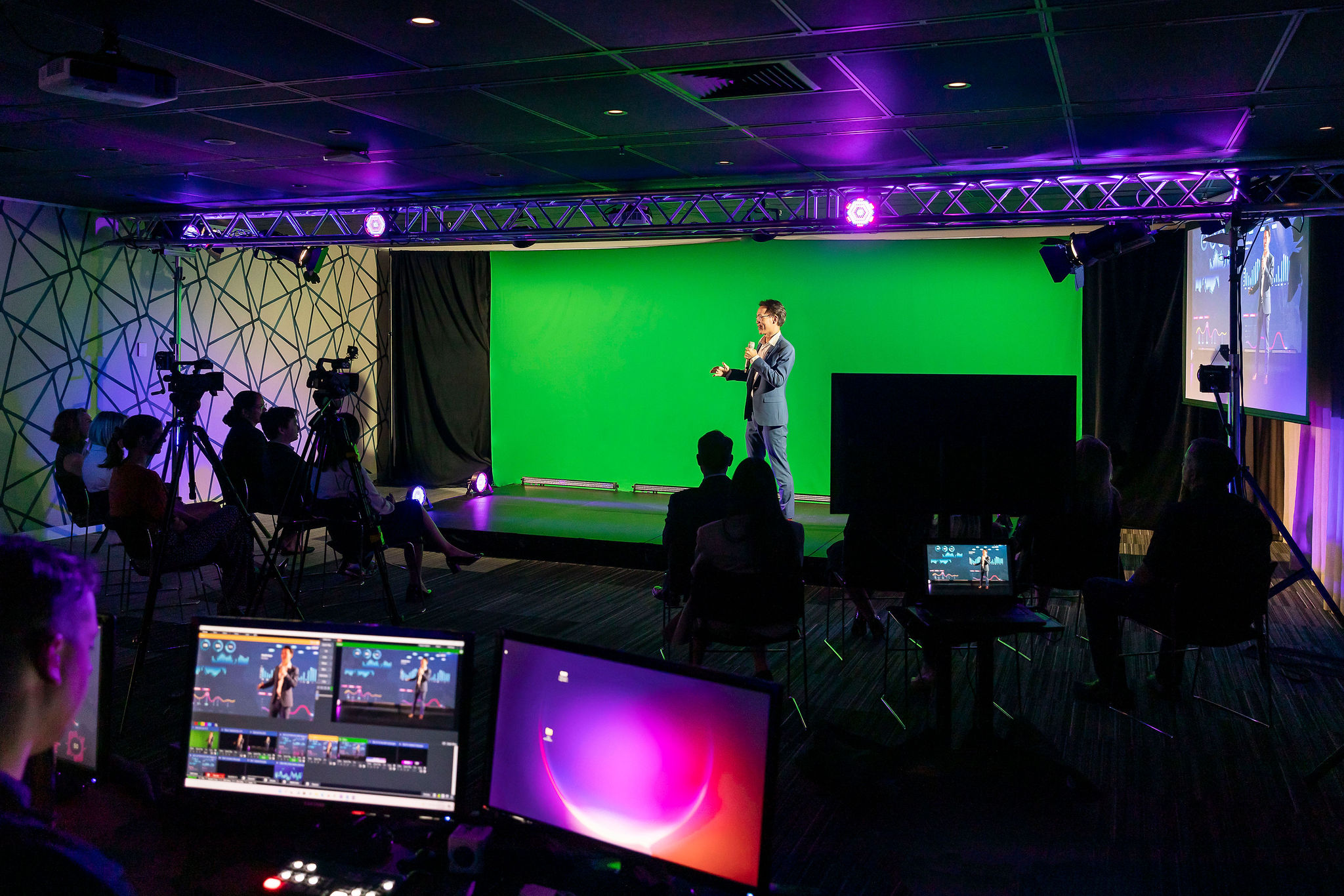
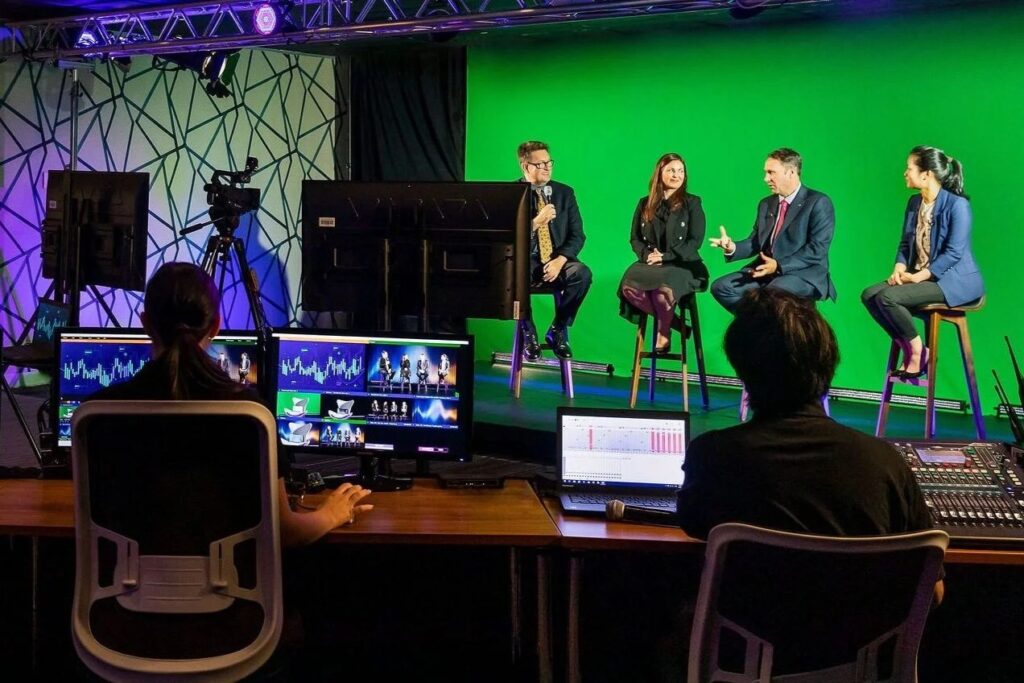
Cliftons venues are designed as content studios, with professional recording, hybrid broadcast capability and breakout spaces ideal for curated networking. We help organisers build year‑round engagement programs that use the event as a springboard for deeper customer journeys.
3. Double Down on Human‑Centred Design
The reports show that attendees want immersive, interactive, personalised experiences, while static, one‑way presentations are rapidly losing effectiveness. Human connection is the strongest driver of event impact — especially in physical environments.
Practical Actions
- Design multi‑purpose spaces that facilitate both structured sessions and spontaneous interactions.
- Build community intentionally with curated roundtables, VIP moments, or themed networking.
- Use sensory storytelling, from lighting and sound to tactile design to create memorable touchpoints.
- Plan for accessibility and comfort, as these directly influence satisfaction.

How Cliftons supports this
Every Cliftons location is built around human-centred design: intuitive layouts, natural light, ergonomic furniture, welcoming hospitality, and purpose‑built networking zones. Our teams help tailor the environment to your audience’s behaviour patterns, accessibility needs, and engagement preferences.
4. Invest in the Right Format: Physical Events Still Lead
Across both reports, one finding is unmistakable: physical events dramatically outperform virtual and hybrid ones on effectiveness, satisfaction and ability to meet business objectives.
That doesn’t mean virtual is obsolete, but it must be used intentionally, not as a lower‑cost substitute for connection‑heavy moments.
Practical Actions
- Use physical events for:
- Building or deepening relationships
- Executive engagement
- Strategic conversations
- Experiences requiring immersion or trust
- Use virtual events for:
- Education at scale
- Early‑stage awareness
- Internal knowledge sharing
- Use hybrid only when audiences must be accommodated across locations and invest properly in production and facilitation.
How Cliftons supports this
Cliftons provides premium physical venues across APAC designed specifically for corporate experiences, alongside fully managed virtual and hybrid platforms. We help you select the format that aligns with your objectives, not just your budget.
5. Prioritise Quality Over Quantity: Modern KPIs Must Reflect Real Impact
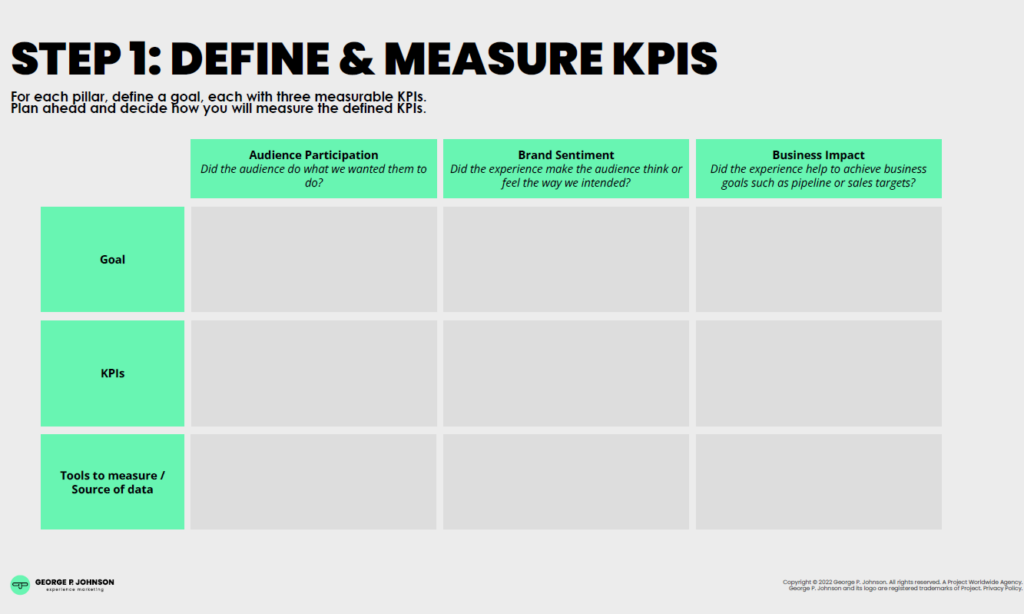
A recurring theme in the GPJ research is that many organisations default to easy metrics (attendance, registrations) rather than valuable ones (relationship depth, sentiment change, attribution to outcomes).
Practical Actions
- Define 3–4 core KPIs that reflect business outcomes, not vanity metrics.
- Measure relationship value, not just lead volume.
- Track engagement signals, such as dwell time, repeat attendance, and interactive participation.
- Establish consistent measurement frameworks that can be reused across events.
- Map 90–180‑day pipeline influence, not just event‑day activity.
How Cliftons supports this
Cliftons helps clients build practical measurement frameworks and provides data capture support across digital, onsite, and attendee engagement touchpoints. Our event managers work with your team to ensure the right data is collected, interpreted, and actioned.

6. Use AI Where It Adds Value But Fix the Fundamentals First
Both reports emphasise that AI is powerful but not a silver bullet. Organisations often attempt sophisticated solutions before mastering foundational execution.
Practical Actions
- Start with AI applications that create immediate efficiency:
✔ automated personalised comms
✔ intelligent session recommendations
✔ faster post‑event summaries - Avoid chasing AI‑driven personalisation if your data hygiene or segmentation is weak.
- Ensure any predictive tools are aligned with your measurement framework.
How Cliftons supports this
Cliftons’ digital event platforms include AI‑enabled features for personalisation and engagement, but our consulting approach ensures your strategy and data foundations are strong before layering in advanced tools.
7. Design for Connection: The Strongest Predictor of Event Success
GPJ’s findings consistently highlight one truth: events that enable high‑quality human connection deliver the highest ROI.
Practical Actions
- Build attendee journeys around interaction, not presentation.
- Curate activations that bring people together intentionally.
- Provide “collision points” – lounges, breakout spaces, themed tables.
- Segment experiences for different audience groups (VIPs, technical users, executives).

How Cliftons supports this
Our venues include purpose‑built collaboration and networking spaces, optional hospitality packages, and curated experiences designed to maximise “connection density” – the number of meaningful interactions per attendee.
Final Thoughts: The Future Belongs to Experience‑Led, Data‑Smart, Human‑Centred Events
GPJ’s insights are clear: the organisations that will win in 2026 and beyond are those that:
- align internally on event purpose
- build campaigns, not moments
- design experiences around humans, not formats
- measure what matters
- continue to invest in high-quality physical experiences
- leverage AI only where it enhances, not replaces, connection
Cliftons is uniquely positioned to help organisations deliver on every one of these principles – from strategic planning and content capture to venue management, hybrid execution, premium hospitality, and post‑event analytics.
If you’d like support turning these insights into a high‑impact event strategy, 🔗our team is ready to help.