
This year’s International Women’s Day theme, falling on 8 March, is #BreakTheBias. Despite a lot of work, there remains a significant amount of unconscious and deliberate bias against women in the workforce. Events aren’t immune from this, with many event organisers facing a backlash against having speakers who are “male, pale and stale” or panels that are all men. A 2018 global analysis found that almost 70% of event speakers are male! Some industries, like science and technology, are facing particular criticism. To counter frustrations regarding the lack of female speakers at scientific conferences, Kate Hoy, associate professor of interventional neuropsychology at Monash University, created an online, searchable database for female brain stimulation researchers. In just a few years, there are now 329 registered scientists. Equality isn’t going to happen by chance. Consistent effort and action will be needed to drive and continue change. Let’s look at just a few things that event organisers can consider to help address gender bias.
1: Say no to the ‘manel’
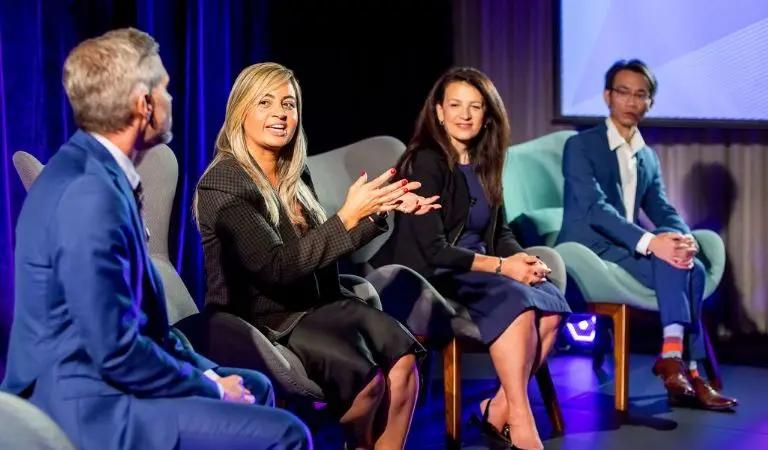
A few years ago, a word started appearing in criticisms of the panels at conferences. The manel, or all-male panel, a sibling to the thankfully less common “manference”, is a conference with only male speakers. There are Twitter accounts dedicated to putting a spotlight on conferences with all-male panels, including @ManelWatchAU, @ManelWatchUS and @ManelWatchUK. While many conference organisers have taken the criticism on board and some male speakers are refusing to speak themselves on all-male panels, there’s more to be done. It’s essential to have a strong moderator who allows all the voices on the panel to be heard. There’s no point having women participating if they are constantly interrupted and spoken over the top. Of course, it’s not just gender bias in panels and other speakers that need addressing. A broader view of diversity includes various voices with different life experiences, including people of colour and people with disabilities. Change is underway with the Champions of Change Coalition and The Panel Pledge, with organisations signing up to have gender balance in every forum. The pledge has a range of actions organisations can take around sharing their commitment and encouraging others to drive change.

2: Event timing and formats
A factor facing many women is child-caring responsibilities, particularly for single parents. With many keynote talks first on the agenda, this can add an extra challenge for women. A 9 am keynote, and a school or daycare drop off aren’t always mutually compatible. Of course, this change also helps fathers manage their family responsibilities too. Rethinking your event schedule and considering positioning the keynote talk in the middle of the day can help to attract a more diverse range of speakers. In addition, an article in Chemistry World suggests that as well as addressing challenges created by family obligations, women may be less comfortable with a traditional ‘monologue on a stage’ format and may prefer roundtable discussions and ‘speed-dating’ models for one-on-one talks.
TECHNOLOGY CONSIDERATIONS
Similarly, considering the use of streaming technologies to allow for virtual presentations can also help to attract a broader range of speakers. In particular, this is valuable if interstate or overseas travel may otherwise be required. Cliftons can provide a range of digital and hybrid event formats that may help deliver greater flexibility to help speakers fit around other commitments. Another consideration is the venue configuration and technology being used. According to an article in TechRepublic, 62% of female keynote speakers at tech conferences experienced discrimination at in-person conferences and 71% who delivered an in-person keynote did not feel conferences were designed with women in mind. For example, bar stool seating is not ideal if wearing a skirt and microphones that clip onto a suit rather than a dress. Venue features like baby-care rooms, on-site childcare and gender-neutral bathrooms can also help to foster inclusion. An important note: At Cliftons, we think accessible and affordable childcare, including before and after school care, is one of the most critical requirements for equal workforce participation. Providing flexible options for women to attend and speak at conferences on days that they may not typically have care can be a way to increase participation. Hear directly from Vanessa Green, Cliftons CEO on this important subject.
3: My name is …
Researchers have found that even how a speaker is introduced may be contributing to gender bias. In a review of speaker introductions at an oncology conference, men were more likely to be presented using their professional title (i.e. Professor Firstname Lastname). In contrast, female speakers were more likely only to be presented by their first name. This variation in how people are introduced can reinforce gender bias and unconsciously suggest that the male speakers have more authority and right to use their professional titles than women. Making a conscious effort to be consistent in presenting speakers is a small action that can help overcome this.

4: More than a woman
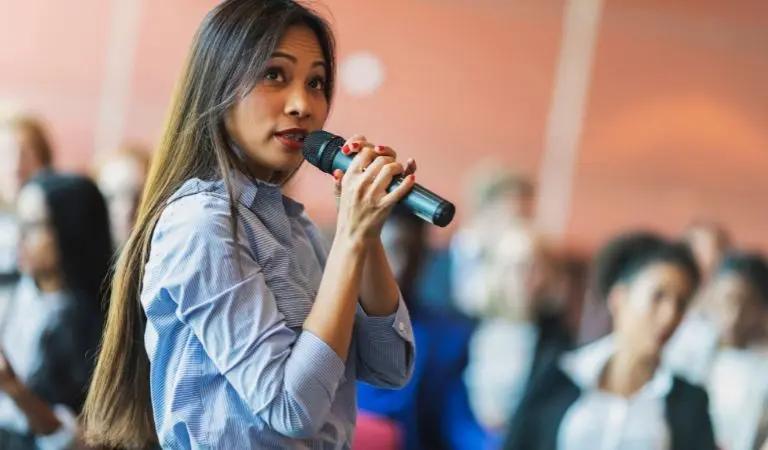
Finally, it’s essential to check what you’re asking women to speak on. Make sure you are inviting women to speak in their area of subject matter expertise, not just on gender-related issues. In her blog post, Spotlighting Females at Conferences: A Mandate for Change, Susan Danziger points out that frequently, women are only invited to serve as panel moderators or are limited to discussing gender and diversity issues. To highlight a diverse range of views and benefit everyone, we need more women speaking on more topics. One of the actions in The Panel Pledge is distributing topics “so women’s voices are heard on a range of issues,” not just soft skills and gender equality.
Additional Tips to #BreakTheBias at Your Next Conference
For IWD 22, Leanne Christie, Chief Of Everything O, from Ovations, a leading Speaker Bureau, shares five tips to #breakthebias when planning an Agenda for your next conference.
Your checklist to #BreakTheBias
Want to make sure you’re helping to break the bias in your events? Here’s a checklist to help you:
- Use gender-diverse images to promote your event
- Have a variety of speakers – aim for 50/50 male to female if possible
- Use the full titles for all participants
- Avoid using terms like “female scientist” instead of just “scientist”
- Don’t use gendered nouns and use gender-neutral terms instead, e.g. chair, not chairman/chairwoman
- Use gender-neutral terms to greet attendees (e.g. ‘Welcome all’ rather than ‘Welcome guys’)
- Don’t allow a pay gap, and if compensating, speakers ensure both men and women receive equal pay.
It’s up to all of us to do what we can to help #BreakTheBias, and Cliftons is committed to creating an equal world for ourselves and our clients.
Did you like the post? Share it here
More articles from the Cliftons team




This year’s International Women’s Day theme, falling on 8 March, is #BreakTheBias. Despite a lot of work, there remains a significant amount of unconscious and deliberate bias against women in the workforce. Events aren’t immune from this, with many event organisers facing a backlash against having speakers who are “male, pale and stale” or panels that are all men. A 2018 global analysis found that almost 70% of event speakers are male! Some industries, like science and technology, are facing particular criticism. To counter frustrations regarding the lack of female speakers at scientific conferences, Kate Hoy, associate professor of interventional neuropsychology at Monash University, created an online, searchable database for female brain stimulation researchers. In just a few years, there are now 329 registered scientists. Equality isn’t going to happen by chance. Consistent effort and action will be needed to drive and continue change. Let’s look at just a few things that event organisers can consider to help address gender bias.
1: Say no to the ‘manel’
A few years ago, a word started appearing in criticisms of the panels at conferences. The manel, or all-male panel, a sibling to the thankfully less common “manference”, is a conference with only male speakers. There are Twitter accounts dedicated to putting a spotlight on conferences with all-male panels, including @ManelWatchAU, @ManelWatchUS and @ManelWatchUK. While many conference organisers have taken the criticism on board and some male speakers are refusing to speak themselves on all-male panels, there’s more to be done. It’s essential to have a strong moderator who allows all the voices on the panel to be heard. There’s no point having women participating if they are constantly interrupted and spoken over the top. Of course, it’s not just gender bias in panels and other speakers that need addressing. A broader view of diversity includes various voices with different life experiences, including people of colour and people with disabilities. Change is underway with the Champions of Change Coalition and The Panel Pledge, with organisations signing up to have gender balance in every forum. The pledge has a range of actions organisations can take around sharing their commitment and encouraging others to drive change.
2: Event timing and formats
A factor facing many women is child-caring responsibilities, particularly for single parents. With many keynote talks first on the agenda, this can add an extra challenge for women. A 9 am keynote, and a school or daycare drop off aren’t always mutually compatible. Of course, this change also helps fathers manage their family responsibilities too. Rethinking your event schedule and considering positioning the keynote talk in the middle of the day can help to attract a more diverse range of speakers. In addition, an article in Chemistry World suggests that as well as addressing challenges created by family obligations, women may be less comfortable with a traditional ‘monologue on a stage’ format and may prefer roundtable discussions and ‘speed-dating’ models for one-on-one talks.
TECHNOLOGY CONSIDERATIONS
Similarly, considering the use of streaming technologies to allow for virtual presentations can also help to attract a broader range of speakers. In particular, this is valuable if interstate or overseas travel may otherwise be required. Cliftons can provide a range of digital and hybrid event formats that may help deliver greater flexibility to help speakers fit around other commitments. Another consideration is the venue configuration and technology being used. According to an article in TechRepublic, 62% of female keynote speakers at tech conferences experienced discrimination at in-person conferences and 71% who delivered an in-person keynote did not feel conferences were designed with women in mind. For example, bar stool seating is not ideal if wearing a skirt and microphones that clip onto a suit rather than a dress. Venue features like baby-care rooms, on-site childcare and gender-neutral bathrooms can also help to foster inclusion. An important note: At Cliftons, we think accessible and affordable childcare, including before and after school care, is one of the most critical requirements for equal workforce participation. Providing flexible options for women to attend and speak at conferences on days that they may not typically have care can be a way to increase participation. Hear directly from Vanessa Green, Cliftons CEO on this important subject.
3: My name is …
Researchers have found that even how a speaker is introduced may be contributing to gender bias. In a review of speaker introductions at an oncology conference, men were more likely to be presented using their professional title (i.e. Professor Firstname Lastname). In contrast, female speakers were more likely only to be presented by their first name. This variation in how people are introduced can reinforce gender bias and unconsciously suggest that the male speakers have more authority and right to use their professional titles than women. Making a conscious effort to be consistent in presenting speakers is a small action that can help overcome this.
4: More than a woman
Finally, it’s essential to check what you’re asking women to speak on. Make sure you are inviting women to speak in their area of subject matter expertise, not just on gender-related issues. In her blog post, Spotlighting Females at Conferences: A Mandate for Change, Susan Danziger points out that frequently, women are only invited to serve as panel moderators or are limited to discussing gender and diversity issues. To highlight a diverse range of views and benefit everyone, we need more women speaking on more topics. One of the actions in The Panel Pledge is distributing topics “so women’s voices are heard on a range of issues,” not just soft skills and gender equality.
Additional Tips to #BreakTheBias at Your Next Conference
For IWD 22, Leanne Christie, Chief Of Everything O, from Ovations, a leading Speaker Bureau, shares five tips to #breakthebias when planning an Agenda for your next conference.
Your checklist to #BreakTheBias
Want to make sure you’re helping to break the bias in your events? Here’s a checklist to help you:
Use gender-diverse images to promote your event
Have a variety of speakers – aim for 50/50 male to female if possible
Use the full titles for all participants
Avoid using terms like “female scientist” instead of just “scientist”
Don’t use gendered nouns and use gender-neutral terms instead, e.g. chair, not chairman/chairwoman
Use gender-neutral terms to greet attendees (e.g. ‘Welcome all’ rather than ‘Welcome guys’)
Don’t allow a pay gap, and if compensating, speakers ensure both men and women receive equal pay.
It’s up to all of us to do what we can to help #BreakTheBias, and Cliftons is committed to creating an equal world for ourselves and our clients.