A Nationwide Challenge
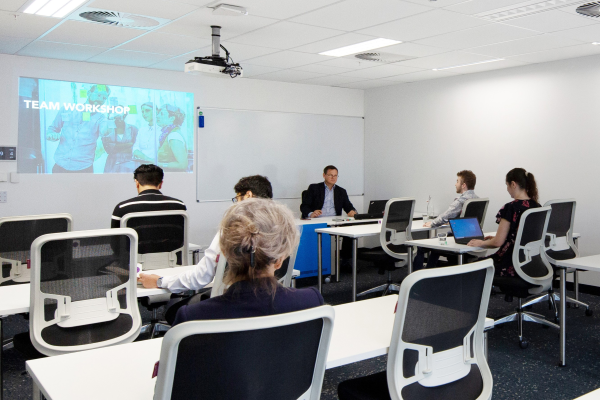
Toyota Australia set out to train dealership and supplier teams across 11 locations. Each site came with its own setup, people, and pace. Keeping every session aligned, both in delivery and experience, was a real test.
There was a clear objective: run the same program everywhere without forcing facilitators to adapt on the fly at each venue. 🔗Read the Toyota Australia case study.
Start Strong With a Pilot
Before scaling, a pilot phase helped shape the program. Early sessions were used to test layouts, timing, and technical requirements. This step clarified what would work across all locations, and just as important, what wouldn’t.
Feedback from Toyota highlighted how valuable this stage was:
- It exposed gaps early
- It refined the delivery setup
- It made later rollout smoother
Taking the time to get the pilot right reduced friction once the program expanded nationwide.
Consistency Removes Friction
One of the standout elements was standardisation.
Each venue followed the same room layout, AV setup, and technical configuration. That meant facilitators could walk into any location and know exactly what to expect.
This had a practical impact:
- Less time spent troubleshooting
- Fewer distractions during sessions
- Greater confidence for trainers
Toyota’s team noted that the technology simply worked, which allowed them to stay focused on delivering the training rather than managing the environment.

Reliable Support on the Ground
Even with strong planning, live sessions always bring surprises. What made the difference here was proactive onsite support.
Teams were already across potential issues before they became visible. When something needed attention, it was handled quickly without interrupting the flow of the session.
That level of preparedness helped keep sessions running smoothly and maintained a consistent experience for participants across locations.
Clear Communication Keeps Projects Moving
Large-scale training involves many moving parts – scheduling, logistics, participant coordination, and internal stakeholders.
Close collaboration between Toyota’s internal teams and delivery partners helped maintain momentum. Communication stayed direct and practical, which made it easier to adjust plans when needed.
This approach worked well in an environment where flexibility was required but structure still needed to hold.
A Model That Scales
By the time the rollout was underway, the process became repeatable.
- Sessions were scheduled with confidence
- Facilitators focused on content, not setup
- Logistics ran in the background without disruption
This created a delivery model Toyota could rely on. Once a session was locked in, there was no need to second guess the venue or the technical side, it was already taken care of.
What This Means for Future Training Programs
There are a few key takeaways from this approach:
- Invest early in testing: A well-run pilot can prevent issues at scale.
- Standardise wherever possible: Consistency in setup creates confidence for facilitators and participants.
- Prioritise onsite readiness: Fast, proactive support keeps sessions on track.
- Keep communication simple and direct: Clarity helps teams adapt without slowing things down.
- Build something repeatable: A model that works once should work again with minimal effort.
Training across multiple locations will always come with challenges. What this project shows is that with the right structure in place, those challenges can be managed, and the result is a program that feels steady, no matter where it’s delivered.
Planning a multi-location training rollout and want it to run smoothly from start to finish? 🔗contact our team.