Today, organisations across industries are using tabletop exercises to test how they respond to crisis, disruption, risk, and high-stakes decision-making long before these situations occur in real life. From executive leadership teams to emergency services, the TTX format has become a critical tool for preparation, alignment, and resilience.
At its core, a TTX is simple: a structured, scenario-based discussion designed to simulate real-world events. What makes it powerful is what it reveals – gaps in communication, unclear decision-making, dependencies between teams, and how people behave under pressure.
And increasingly, organisations are recognising that the environment in which these exercises take place can directly influence their effectiveness.
Where Tabletop Exercises Are Used Today
While cyber remains a major use case, TTX is now widely applied across multiple domains:
Cyber Security & Incident Response
Still the most recognised category, these exercises test how organisations respond to:
- Ransomware attacks
- Data breaches
- System outages
- Insider threats
Participants often span IT, legal, communications, and executive leadership, making coordination critical.
Business Continuity & Crisis Management
Annual continuity exercises are essential for organisations needing to maintain operations during disruption.
Common scenarios include:
- Loss of office access
- Supply chain failure
- Pandemic resurgence
- Power outages
For many organisations, these exercises simulate relocating teams and maintaining operations under pressure.
Emergency Management & Disaster Response
Government agencies, utilities, and critical infrastructure providers rely on TTX to prepare for large-scale events such as:
- Bushfires and floods
- Mass casualty incidents
- Transport or infrastructure failures
These exercises often involve multi-agency coordination, requiring clear communication and shared situational awareness.
Executive Leadership & Board-Level Scenarios
A growing category, these exercises focus on decision-making, judgement, and reputation risk rather than systems.
Scenarios may include:
- CEO misconduct allegations
- Activist campaigns
- Regulatory investigations
- Product failures
The focus is on how leadership responds under scrutiny, internally and externally.
Reputational & Media Response
In an age of real-time news and social media, organisations must be ready to respond instantly.
These TTX scenarios test:
- Media handling
- Crisis communications
- Stakeholder messaging
Often involving communications teams, legal, and executives, these exercises benefit from realistic simulation environments.
Critical Infrastructure & Industry Preparedness
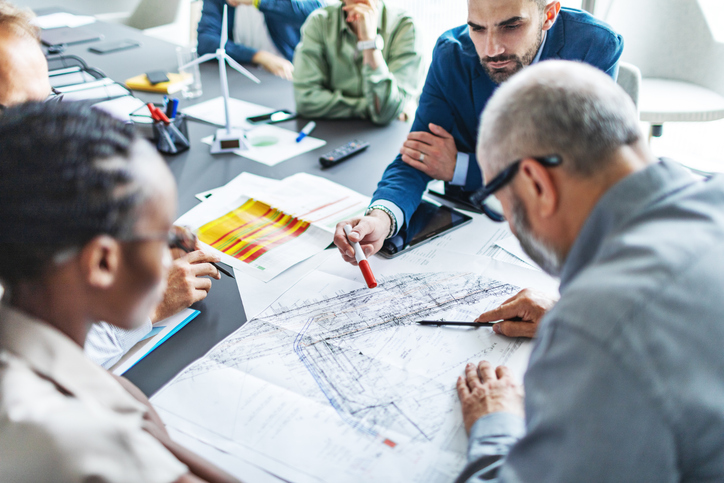
Across sectors such as energy, water, transport, and telecommunications, TTX is often required or strongly encouraged.
Scenarios include:
- Asset failures
- Network disruptions
- Physical or cyber threats
These exercises demand coordination across operational, technical, and leadership teams.
Healthcare & Hospital Preparedness
Hospitals and health systems regularly conduct tabletop exercises to prepare for:
- Pandemic outbreaks
- Emergency evacuations
- Mass casualty events
These scenarios are fast-moving, high-pressure, and require coordination across clinical and operational teams.
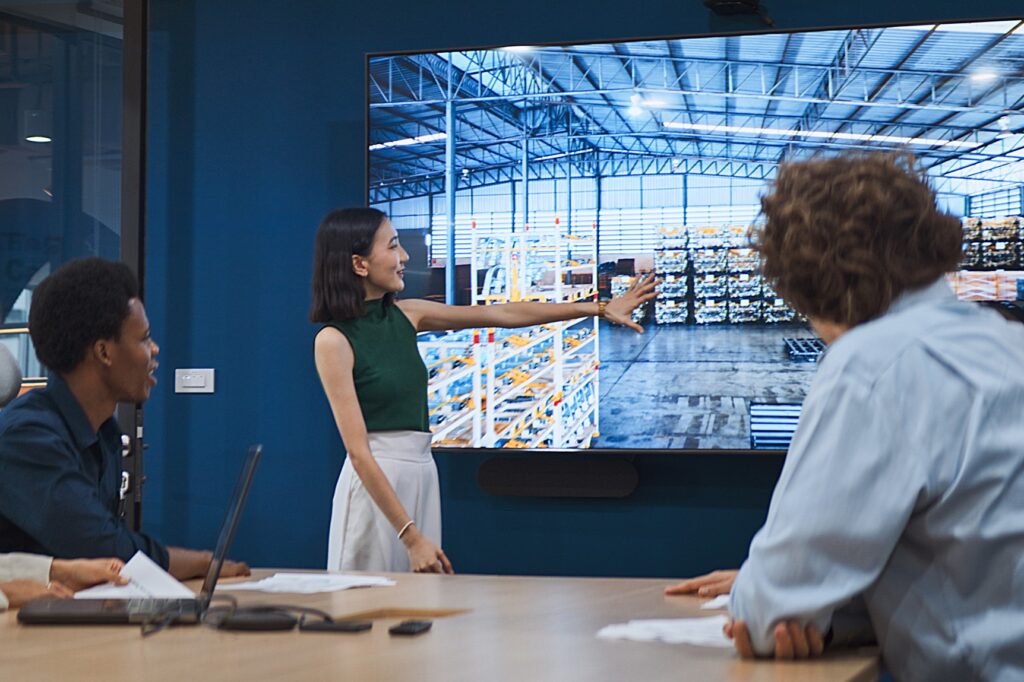
Supply Chain & Logistics Resilience
Following recent global disruptions, organisations are increasingly testing:
- Supplier failure
- Freight disruption
- Trade restrictions
- Resource shortages
These exercises often involve multiple stakeholders across procurement, operations, and leadership.
Workplace Health & Safety
Often overlooked, but critical.
Scenarios include:
- Major workplace incidents
- Evacuations
- Hazardous material events
These exercises test compliance, response protocols, and communication under pressure.
Project & Program Risk
An emerging opportunity area.
Large transformation programs and government initiatives are using TTX to simulate:
- Delivery failures
- Budget overruns
- Vendor collapse
- Data migration risks
These exercises help uncover issues before they become costly realities.
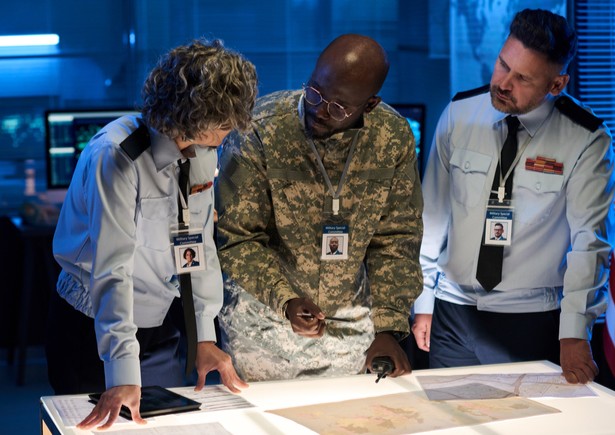
Defence & National Security
A natural fit for structured simulation environments, these exercises involve:
- Joint agency coordination
- Operational readiness
- National-scale response planning
Participants often span government, defence, and industry partners.
AI & Emerging Technology Risk
A rapidly evolving category.
Organisations are beginning to test responses to:
- AI governance failures
- Intellectual property breaches
- Regulatory scrutiny
- Unintended AI outcomes
This area is expected to grow significantly in the coming years.
Why the Environment Matters
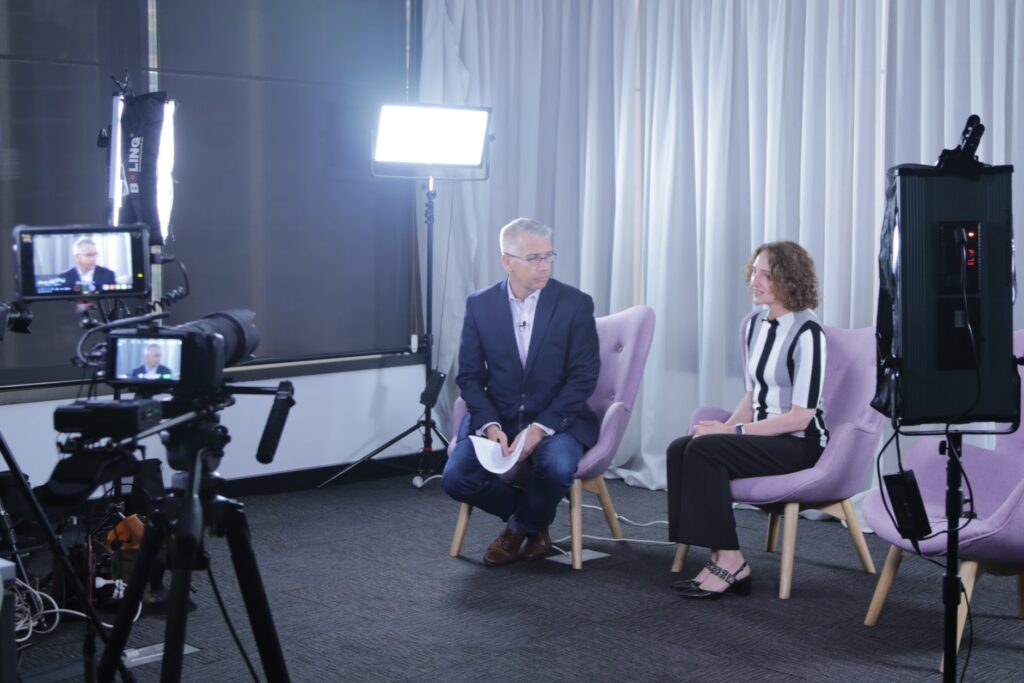
While scenarios and facilitation are critical, the physical and technical environment plays a defining role in how effective a tabletop exercise is.
The best exercises replicate real-world conditions as closely as possible:
- Multiple teams working simultaneously
- Live information feeds and scenario “injects”
- Clear visibility across decision-makers
- Seamless communication between groups
This is where Cliftons becomes more than a venue.
Cliftons as a Crisis Readiness Environment
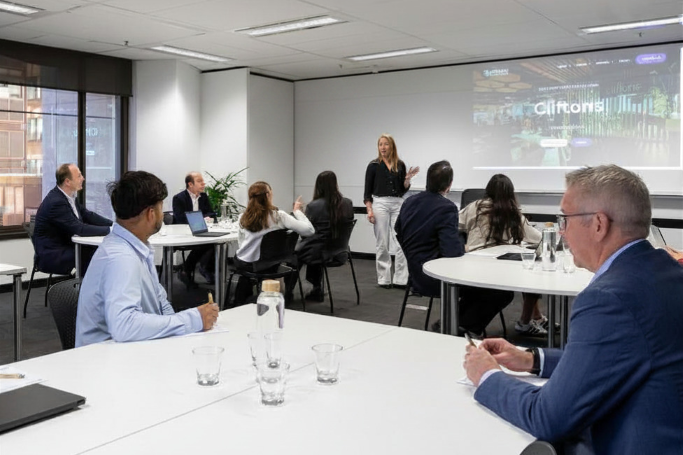
Rather than simply hosting meetings, Cliftons provides purpose-built environments where organisations can rehearse, test, and strengthen their response to critical events. Spaces are designed to reflect real-world conditions, enabling teams to fully engage in high-pressure scenarios.
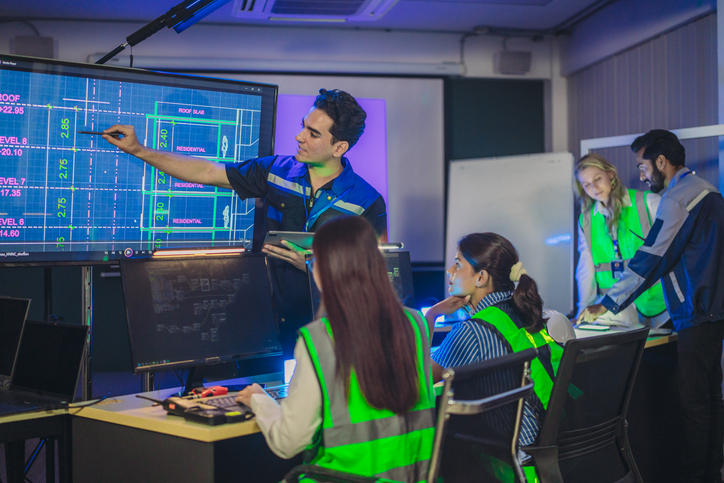
Flexible layouts support multi-team collaboration, with configurable rooms, breakout spaces for parallel workstreams, and central areas for briefings and coordination. Integrated AV technology allows for live scenario updates, while reliable, high-capacity connectivity and hybrid capabilities ensure seamless participation for both in-room and remote teams.
Cliftons also offers private, secure environments suited to sensitive discussions and executive-level exercises, supported by boardroom-quality facilities. With a national footprint, organisations can run consistent exercises across multiple locations or coordinate distributed simulations.
Experienced on-site teams manage every detail, ensuring a smooth, uninterrupted experience so participants can focus entirely on the exercise.
Final Thought
Plans don’t fail in theory they fail in practice. Tabletop exercises bridge that gap. And when delivered in the right environment, they don’t just test readiness, they transform it. 🔗Contact our team.